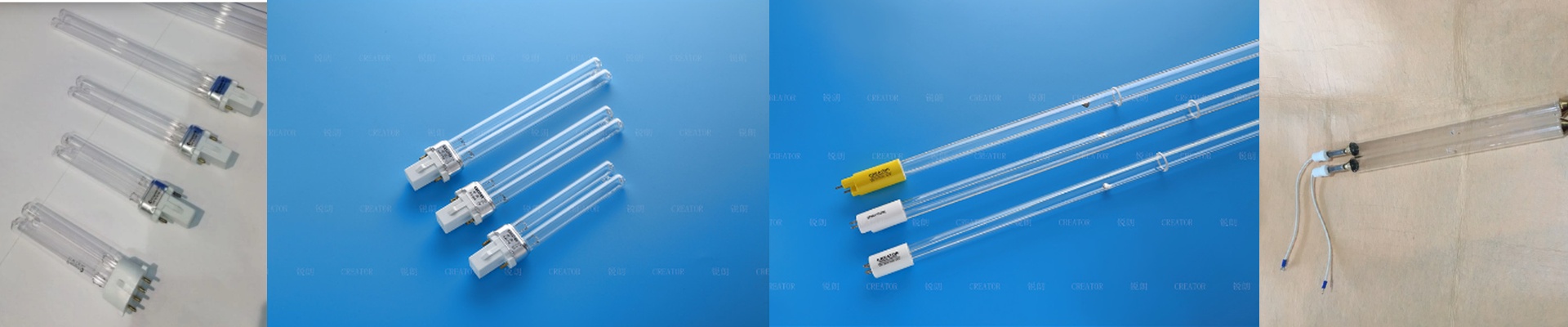
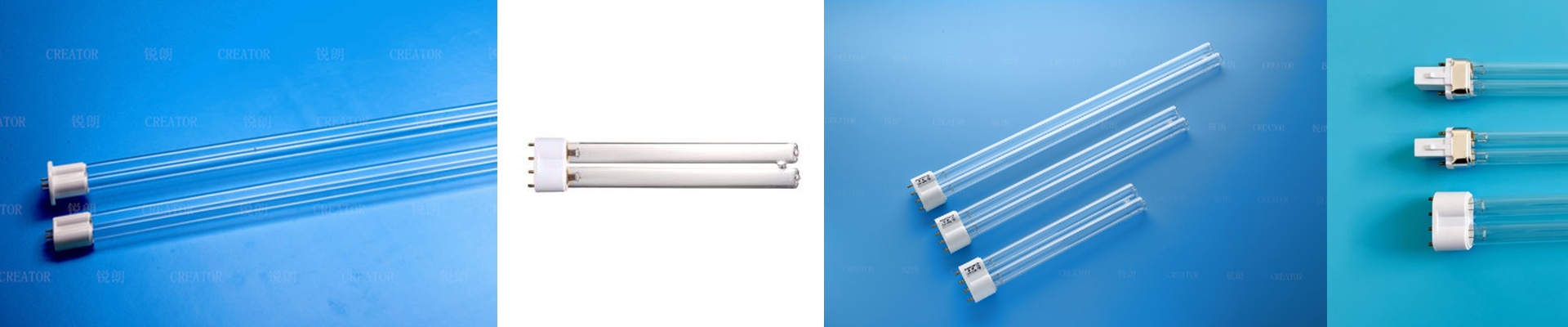
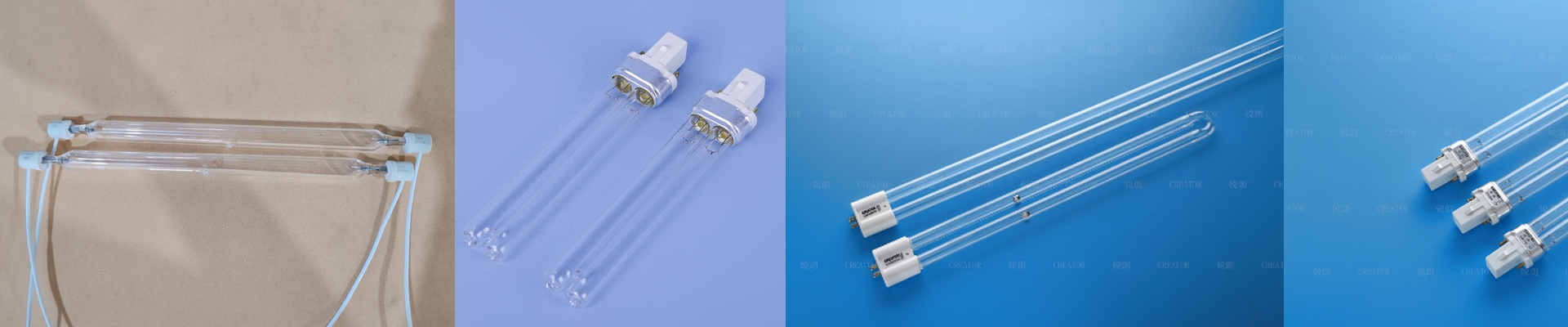

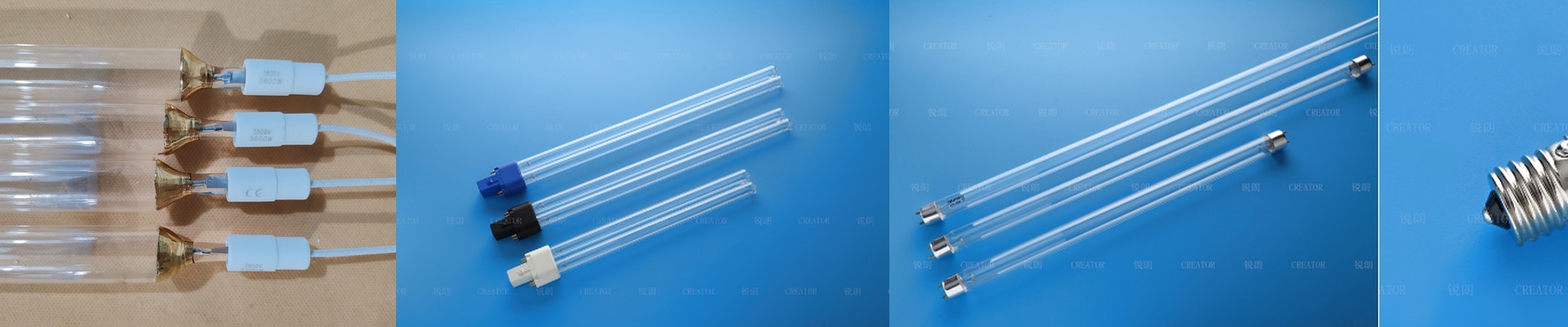
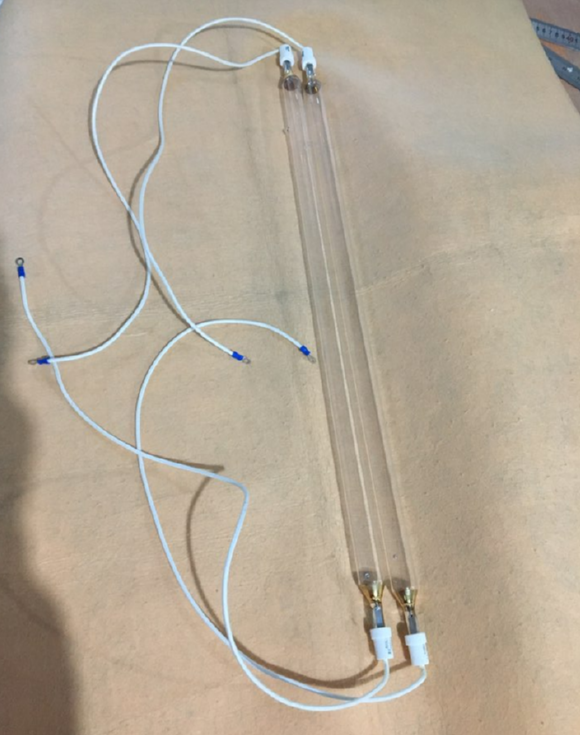
Let’s Talk About Gallium Iodide Lamps
First off, let’s get one thing straight: these aren’t your typical heaters. If you’re looking for something to just warm up a room, you’re in the wrong place. We build GaI lamps for people who need a very specific kind of light—usually hitting that 400nm to 450nm window. Why bother with such a tight range? Because when you’re triggering photochemical reactions, you don’t want a bunch of wasted infrared light just turning into heat. You want the light to actually do the work.
Keeping Things Stable
Getting the light right comes down to the chemistry inside the quartz tube. It’s a bit of a balancing act. If the lamp runs too cold, the gallium precipitates. If it gets too hot? The quartz starts to degrade. You’ve got to keep the plasma in that “sweet spot” to get a consistent wavelength, which means your power supply needs to be rock solid. We’re talking about incredibly tight tolerances here. If the output shifts by just a few nanometers, your curing process might just stop working entirely. That’s why we use high-purity synthetic quartz. It keeps the spectrum clean and lets the lamp take a beating in high-heat environments without losing its edge.
Fitting Them Into Your Setup
We keep the footprints standard. We want these to be easy drop-in replacements for the arrays you already have. Whether you’re building a custom reactor from scratch or just updating a conveyor line, the fit is usually the easy part. The real challenge is the power. High-wattage GaI tubes pull a lot of current. You’ll need to make sure your transformers and cooling fans are up to the task. If your airflow is sluggish, you’ll get “hot spots” on the envelope. That’s a recipe for warped quartz or burnt-out electrodes.
The Reality Check
Now, here is the trade-off. Gallium iodide gives you precision that’s hard to beat, but it isn’t exactly “plug and play” like an LED strip. These lamps need time to warm up so the halide gas can stabilize. And please, don’t flip the switch on and off rapidly. It kills the lifespan of the tube. Just plan your duty cycles with a bit of breathing room, and you’ll be fine.